
classera • 02 Apr 2026
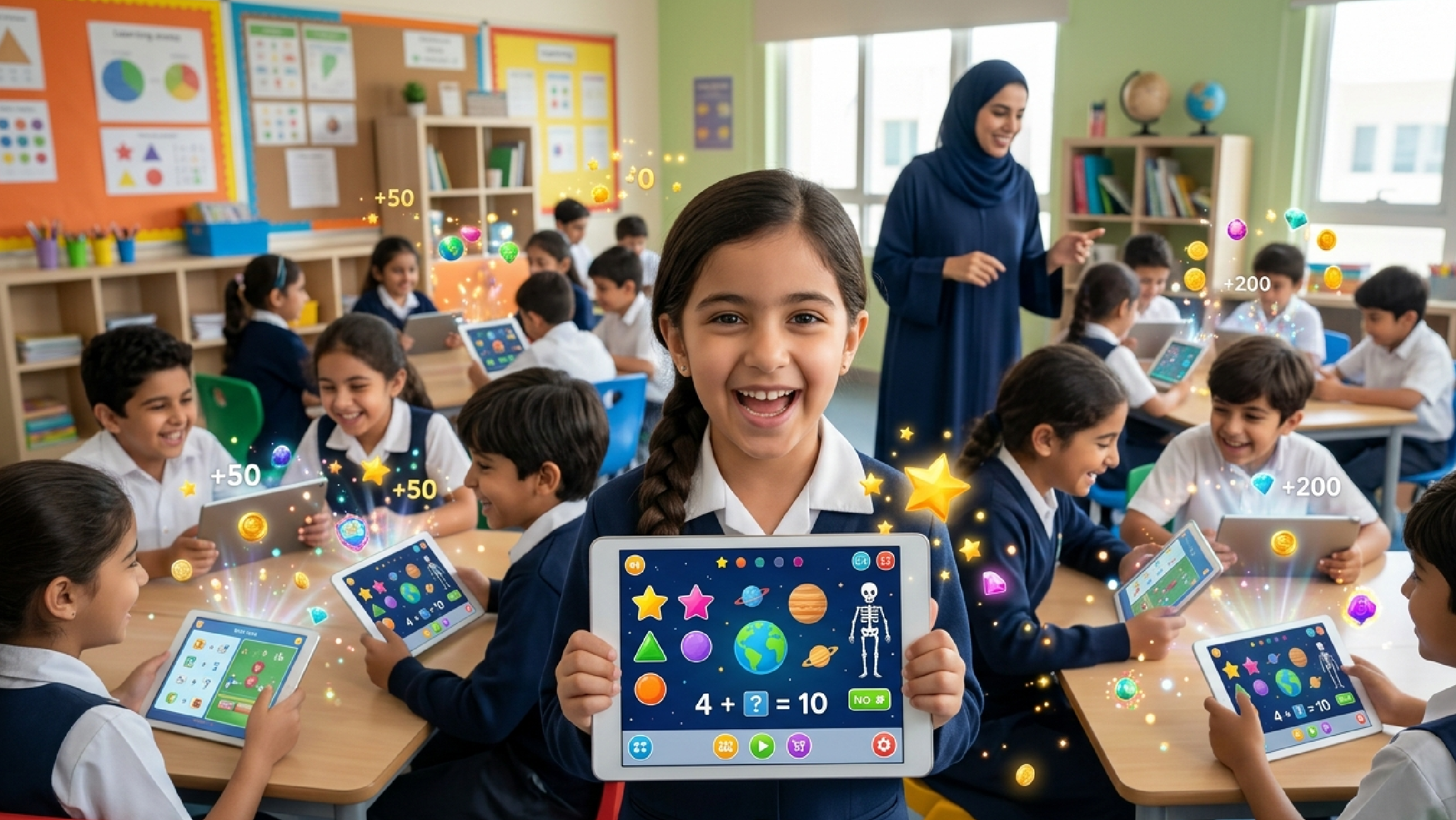
How many times have you heard this complaint or voiced it yourself? The student is physically in the room, yet mentally checked out. Attention has drifted, participation is minimal, distractions are everywhere, and the drive to engage just isn't there. The digital shift hasn't helped: it has pulled students further from anything traditional, paper-based, or hands-on, and anchored them more firmly to everything electronic. What we're left with is a scene that's become painfully routine in classrooms today — students who are simultaneously present and absent.
Meanwhile, the teacher keeps adjusting strategies and tools.
The lesson carries on.
The effort to hold attention continues.
But the engagement? It rarely rises to where it needs to be.
Because the real challenge that technology has placed before us is no longer about physical attendance, it's about attention. It's about whether a student is genuinely tuned in, whether they care enough to participate, and whether there's any internal drive pushing them toward positive engagement in the classroom.
Continuing to fight this tide to swim upstream and insist that old methods will somehow regain their grip is a losing proposition. The more productive path is to examine the roots of this phenomenon and develop practical, effective responses.
With some careful research and genuine commitment, we can map out the key causes behind what educators are now calling the Student Engagement Crisis, and answer one of the most pressing questions facing both teachers and parents: Why do students lose interest so quickly?
1. The Absence of Real Motivation
Traditional education leans heavily on grades, exams, and evaluations. These tools measure academic output, but they do almost nothing to motivate, especially for younger students who haven't yet developed the cognitive framework to grasp what grades actually mean or why they matter. Let's be honest: we're the ones who care about grades. As parents and educators, we feel their weight, we hold students accountable to them, and we measure worth by them. But children? Their minds aren't wired yet to value this system we've built our expectations around. What they're actually after is something quieter: picking up skills without the weight of pressure bearing down on them. Systems designed with this psychological reality in mind are the ones that genuinely win the daily motivation battle because they don't need to manufacture drive from nothing. They simply give students what they're already looking for.
2. No Immediate Connection Between Action and Result
Instilling patience and persistence in our children and students is genuinely important. Learning to work steadily without expecting instant results is a valuable life principle.
But young minds don't naturally process long-term outcomes. We can talk to them about the value of consistency and how its rewards reveal themselves over time. But we shouldn't let that become an excuse to overlook the power of short-term rewards. Small, immediate acknowledgments of progress give students a tangible sense that their efforts count right now and that immediacy fuels continued participation.
3. Competing Against a More Exciting World
Put yourself in a student's shoes for a moment. Imagine being asked to choose between a traditional lesson and an app engineered from the ground up to hold your attention, an app loaded with interactive features, layered rewards, and clear pathways to leveling up and earning bigger prizes. Which would you choose?
This isn't a fair fight, and we already know who wins.
4. Ignoring Individual Differences and Learning Styles
Students are not a uniform block. They come with distinct personalities, varied preferences, and different ways of engaging with material. Applying one-size-fits-all motivation to this diverse mix does all of them a disservice. What they need instead are learning experiences grounded in adaptive and interactive principles that acknowledge individual differences and respond to them, rather than treating an entire classroom as a single, homogeneous unit.
Gamification, the gamification of learning, or Edutainment, refers to an increasingly adopted digital practice: taking traditional educational pathways and restructuring them to mirror the mechanics of electronic games. The core elements borrowed from game design include:
When we talk about gamification in education, we're not talking about sacrificing substance for fun. We don't have to choose one at the expense of the other. What we're really talking about is a structural redesign of learning pathways — reshaping how lessons are delivered so they align with how students actually think. The goal is to deliver genuine educational value through enjoyment and to ensure both elements coexist within a single experience.
Several reasons stand out:
1. Immediate Reinforcement
Every positive behavior or small achievement translates directly into an instant reward, closing the gap between effort and recognition.
2. A Sustained Sense of Progress
With each point earned or badge collected, the student feels they are moving forward — that they are, in the most concrete sense, achieving something.
3. A Healthy Competitive Environment
This isn't the kind of competition built on pressure or constant comparison to peers. It's comparison to oneself — tracking personal growth, recognizing one's own momentum, and finding renewed motivation to push further. That's the type of competition that gamification, done right, actually creates.
4. Genuine Enjoyment
This isn't a trivial benefit. Enjoyment is one of the most powerful drivers of sustained engagement — and one of the most underrated tools in education.
When smart motivation systems are implemented thoughtfully, the impact reaches beyond grades. It touches behavioral maturity and self-discipline as well, because these systems are flexible enough to be designed with both in mind simultaneously. The outcomes they contribute to include:
In other words, smart motivation isn't just a modern substitute that glorifies entertainment at the expense of discipline. Applied well, it can actively develop character, build life skills, and strengthen a student's capacity for self-regulation.
Despite the growing consensus around gamification as a strategic priority for educational institutions, poor implementation remains a persistent problem. The most common culprits include:
This is where the line gets drawn between passive play, which mimics the surface of games while delivering no meaningful benefit, and genuine motivation, which creates lasting change.
The modern student engagement tools championed by Classera, a global leader in intelligent learning technology, go well beyond handing out points and collecting badges. They establish a direct, meaningful link between academic performance, daily behavior, and real-world rewards — rewards that carry actual value, sustain motivation, and encourage positive ongoing participation.
C-Inspire stands as a distinctive model in the field of smart learning motivation. It integrates seamlessly with a wide range of intelligent learning tools, directly addresses the engagement crisis inside schools, and operates on a clear principle: every positive behavior and every academic achievement is converted immediately into a reward that carries genuine worth. The result is a sustained appetite among students to participate, engage, and accomplish.
Smart motivation systems have successfully shifted the experience of education from a landscape of pressure and tests toward one filled with a genuine sense of progress and achievement, where students feel the value of every step they take.
When effort is tied to reward, engagement stops being a challenge to overcome. It becomes the natural output of a system built to be smarter and more effective.
And that's how learning transforms from a burden into something that leaves a real, lasting mark.
 Customer service
